Operating heavy-duty trucks in winter in Grande Prairie, AB, and Dawson Creek, BC means facing months of sub-zero temps, blowing snow, and icy roads. Long cold seasons cause persistent ice and snow, leading to rapid winter body damage. unmanaged damage can weaken vehicles, shorten lifespan, and cause downtime.
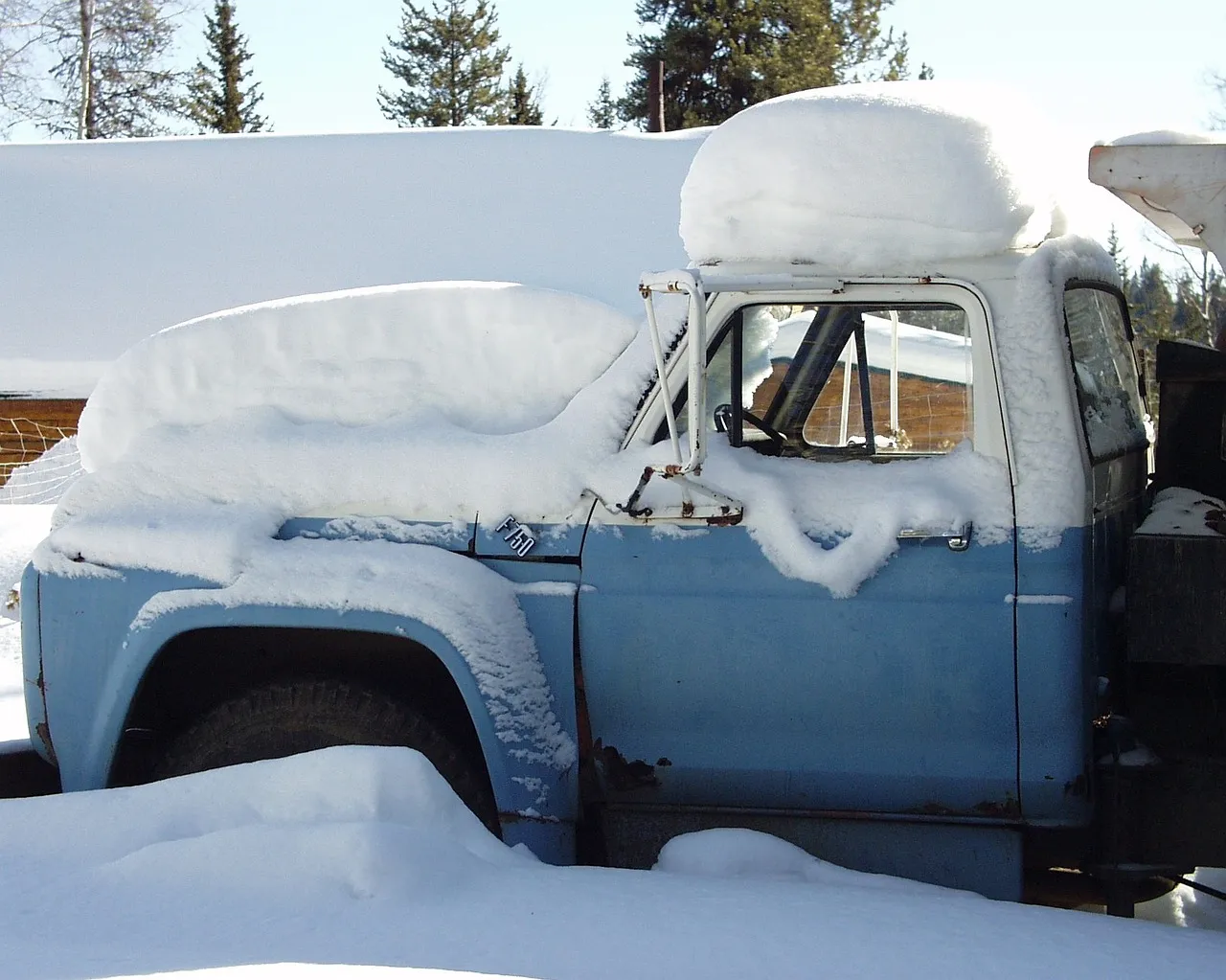
Operating heavy-duty trucks through winter in Grande Prairie, AB, and Dawson Creek, BC means enduring months of sub-zero temperatures, blowing snow, and icy roads. Both regions experience long, cold seasons, with average daily highs below freezing for more than three months each year, resulting in persistent ice and packed snow on the roads. In that environment, winter body damage is not a matter of “if” but “how quickly.”
For fleets and owner-operators, unmanaged exterior damage is more than just cosmetic. Corrosion and impact damage can quietly weaken structural components, shorten vehicle lifespan, and increase downtime. Understanding how ice, snowbanks, and road salt corrosion affect your equipment is the first step in managing risks across your fleet.
Why Winter Is So Harsh on Truck Exteriors
Winter damage results from three combined factors: moisture, de-icing chemicals, and repeated mechanical impacts from ice and packed snow.
De-icing salts, such as sodium chloride, have been widely used on roads since the 1960s to enhance winter safety, but their corrosive effects on vehicles and infrastructure are well-documented. When salt dissolves in meltwater, it forms an electrolyte that accelerates the oxidation of steel and other ferrous metals. Studies comparing areas with and without de-icing salts show that corrosion rates on exposed steel can be several times higher in areas with heavy salt application.
Freeze–thaw cycling worsens the issue. As temperatures go above and below 0°C, salt solution is pulled deeper into seams, welds, and paint flaws. The solution can remain active in cracks even after surfaces appear dry, allowing corrosion to continue between storms. During a typical northern winter, this cycle repeats many times, gradually weakening paint, coatings, and exposed metal.
For trucks that operate daily, this environment makes strong rust-prevention practices essential rather than optional.
How Road Salt and Slush Attack Heavy-Duty Trucks
The undercarriage and lower body panels of a heavy-duty truck are directly exposed to salt spray. Road spray deposits brine and grit on:
- Frame rails and crossmembers
- Spring hangers, air suspension brackets, and shock mounts
- Fuel and DEF tank straps
- Air tanks and brake chambers
- Steps, battery boxes, and cab mounts
Corrosion resources consistently identify wheel wells, fenders, rocker panels, frame rails, and other low-lying structures as hotspots where salty slush accumulates and stays wet. Over time, road salt corrosion in these areas can weaken mounting points that support suspension, braking, and drivetrain components, increasing the risk of structural failures and costly repairs.
On heavy trucks, the suspension is designed to absorb road impacts and control rebound, preventing rough surfaces from damaging sensitive systems. When corrosion weakens brackets, mounts, and crossmembers, that impact-control function is compromised, leading to poor handling and extra stress on other components.
Winter Collision Risks: Ice, Snowbanks, and “Low-Speed” Impacts
Collisions with snowbanks, frozen windrows, or hidden ice ridges are common in northern yards, jobsites, and lease roads. Although these impacts usually occur at low speeds, they can still transfer significant force to bumpers, steps, fairings, and even cab mounts. Body shop and insurance literature indicate that seemingly minor incidents often conceal structural damage to frame sections, suspension, or steering components. After a winter impact, symptoms such as:
- Vehicle pulls to one side.
- Off-center steering wheel
- Uneven or accelerated tire wear
- Doors or a hood that no longer close properly
May suggest underlying frame or alignment problems rather than just cosmetic damage. In these cases, intensive collision repair and a complete frame and cab inspection are required to ensure safe operation, rather than merely replacing visibly damaged panels.
Hidden Damage Beneath the Cab
Below the cab and along the frame, high-value systems are exposed to impact and corrosion during winter operation. Brake system components, such as compressed-air tanks and air lines, are usually mounted directly to the frame, making them vulnerable to debris and road spray corrosion. Similarly, wiring harnesses, coolant lines, and fuel lines, which run in clips and trays, can be torn loose or heavily corroded when struck by ice chunks or packed snow.
Collision-repair sources emphasize that “hidden damage” to structural or mechanical components after an impact can significantly impact safety and repair costs if not detected early. When combined with unchecked winter corrosion, the result can be:
- Air leaks from damaged lines or chambers
- Coolant or fuel leaks caused by worn hoses or tubes.
- Electrical faults caused by corroded connectors
- Progressive weakening of frame sections.
For fleets that operate year-round, including undercarriage inspections in body maintenance and overall preventive upkeep helps identify these issues early and extends asset life.
Typical Winter Body Damage in Grande Prairie and Dawson Creek
Given the long, harsh winters in both Grande Prairie and Dawson Creek, with average high temperatures below freezing for several months and frequent snowfall, trucks in these areas are exposed to salt and slush for extended periods each year. This environment often leads to recurring patterns of winter-related body damage.
- Rust starts at the lower doors, rocker panels, and cab corners, where spray and stone chips accumulate.
- Corrosion around wheel arches and fender lips where slush builds up.
- Rust flaking on exposed frame rails, crossmembers, and brackets
- Bent rear crossmembers, headache racks, or bumpers from backing into hard snow piles.
- Cracked plastic fairings, steps, and fender extensions after hitting ice ridges.
These problems directly affect commercial truck body costs and can reduce resale value if not addressed promptly.
For operators seeking Grande Prairie truck repair or work at a Dawson Creek diesel shop, the goal is to integrate structural inspections with cosmetic restoration so that body repairs truly extend the truck’s service life.
How a Professional Body Shop Should Address Winter Damage
When a truck undergoes winter body repair, a structured process helps guarantee that only safe equipment is returned to service. Industry guidance on collision repair and structural damage outlines several key stages.
- Thorough Inspection and Documentation
- Document all visible dents, cracks, and deformed parts.
- Check the cab-to-frame alignment and panel gaps.
- Gather a detailed history of how and where the damage happened.
- Structural and Alignment Evaluation
- Inspect frame rails, crossmembers, and suspension mounts for signs of distortion or corrosion.
- Inspect the steering and suspension for bent or misaligned components.
- Assess whether localized repair suffices or full, heavy-duty collision repair is necessary.
- Panel Repair and Replacement
- Straighten repairable steel or aluminum panels when needed.
- Replace panels or sections that are severely corroded, torn, or stretched.
- Protect the underlying metal from corrosion before sealing body cavities.
- Corrosion Prevention and Refinishing
- Remove loose rust and coatings to expose sound metal.
- Use primers and sealers designed for highly corrosive environments.
- Apply color-matched topcoats and clearcoats to restore appearance and provide protection.
- Protective Measures and Documentation
- Recommend underbody coatings, cavity wax, and winter paint protection films for high-impact zones.
- Document the work performed so future inspections can identify repaired areas from unrepaired ones.
A thorough frame and cab inspection, combined with high-quality refinishing, yields more durable results than cosmetic work alone and helps ensure compliance with safety and inspection standards for heavy-duty vehicles.
Preventing Winter Body Damage: Practical Measures
While winter cannot be avoided, its effects on heavy-duty equipment can be significantly minimized through disciplined fleet maintenance routines.
1. Prioritize Undercarriage Washing
Fleet and maintenance guidance highlights that the undercarriage is one of the most overlooked but vital areas for washing, especially in winter. Best-practice recommendations include:
- Schedule regular undercarriage washes during salt season, often weekly or after heavy exposure.
- Using high-pressure systems that target suspension mounts, differential housings, brake chambers, and frame rails.
- Ensure wheel wells and inner fenders are thoroughly rinsed, as these areas collect salt-laden slush.
Evidence from corrosion-prevention sources indicates that regular washing with salt-neutralizing detergents can significantly slow the progression of road-salt corrosion on vehicle underbodies.
2. Implement Protective Coatings and Films
Rust-prevention articles consistently recommend using a combination of undercoating, cavity wax, and surface protectants to block moisture and salt. For trucks running on northern routes, this might include:
- Rubberized or oil-based underbody coatings on frame rails, crossmembers, and the underside of floors.
- Inject cavity wax into rocker panels, cab corners, and box sides.
- Winter paint protection films or guards along lower doors, fenders, and leading edges where stone chipping is severe.
These measures work best when used on clean, dry, corrosion-free metal and maintained as part of a long-term protection plan.
3. Embed Winter Awareness in Operating Practices
Collision and insurance guidance highlight that drivers often underestimate the importance of low-speed impacts, especially in winter. Training programs should therefore:
- Avoid using snowbanks or ice piles as “soft” stops during maneuvering.
- Emphasize slow speeds in unplowed yards or lease roads.
- Require immediate reporting of any contact with obstacles, even if the damage seems minor.
This enables supervisors to approve early inspections and truck body repairs before minor deformations or corrosion develop into structural issues.
4. Integrate Body and Corrosion Checks into Preventive Maintenance
Preventive maintenance for heavy trucks is a structured program designed to prevent failures and extend service life. Adding body-related tasks into that schedule—such as underbody inspections, coating condition checks, and corrosion mapping—aligns winter protection with your existing PM routine.
By treating winter body damage as part of overall reliability management rather than a separate cosmetic issue, fleets can reduce unplanned downtime and keep asset values more stable.
When to Schedule Truck Body Repair After Winter
There is a strong case for scheduling post-winter inspections and repairs at a Grande Prairie truck repair facility or a Dawson Creek diesel shop, rather than waiting for major failures. You should consider formal assessments and commercial truck bodywork whenever you notice:
- New rust bubbles, flaking, or perforation on lower body panels or frame sections.
- Misaligned steering, ongoing pulling, or uneven tire wear following a winter incident
- Doors, hood, or service-body compartments that no longer close smoothly.
- Visible damage to bumpers, steps, tanks, or fairings
Collision-repair guidance clearly states that structural damage affects occupant safety, vehicle handling, and repair costs if not addressed promptly. Booking early for heavy-duty collision repair and frame and cab inspections helps you minimize downtime, organize repairs efficiently, and protect the vehicle’s coatings before the next winter season.
Managing Winter Risk, Not Just Repairing Damage
Winter operation in northern Alberta and northeastern British Columbia inevitably exposes trucks to corrosion, impacts, and wear. However, disciplined rust prevention, scheduled washing, and timely truck body repairs can turn a harsh climate into a manageable maintenance factor rather than a constant crisis.
For fleets and owner-operators operating out of Grande Prairie and Dawson Creek, working with a repair shop that understands local conditions and heavy-duty vehicles is essential. A shop like R&R Diagnostics & Repair can handle structural assessments, commercial truck bodywork, and long-term fleet maintenance plans to keep your vehicles safe, compliant, and looking good through many winters ahead.
News & Articles
Find regular articles covering a wide range of topics related to diesel repair, maintenance, and troubleshooting.

Our Customer Testimonials
"I called in needing an exhaust clamp and gasket replaced. They fit me in immediately and was in/out within 30 min with a very fair bill. They didn't have the parts, but ran out to trp and picked up the required parts for the job. I would definitely recommend."
"Rod was great to deal with. He got me in quickly and fixed my truck in a timely manner. The bill was way les than expected. Thank you guys for doing such a great job! I would definitely recommend R&R to anyone needing repairs."
Unbelievable experience this day and age.Timely, efficient, reasonable.... this repair facility sets the gold standard for service. I cant thank Rod and his team enough for the service they delivered.
Contact R&R Diagnostics
Let us know what is going on with your vehicle, and we will get back to you soon with a quote.
Contact Information
Hours
Locations
Dawson Creek,
BC V1G 0G2, Canada
Grande Prairie,
AB T8X 0L2, Canada