Engine overheating in heavy-duty trucks is often caused by cooling system failures, low coolant, faulty components, or airflow restrictions. Understanding these issues helps prevent breakdowns, reduce downtime, and protect engine performance.
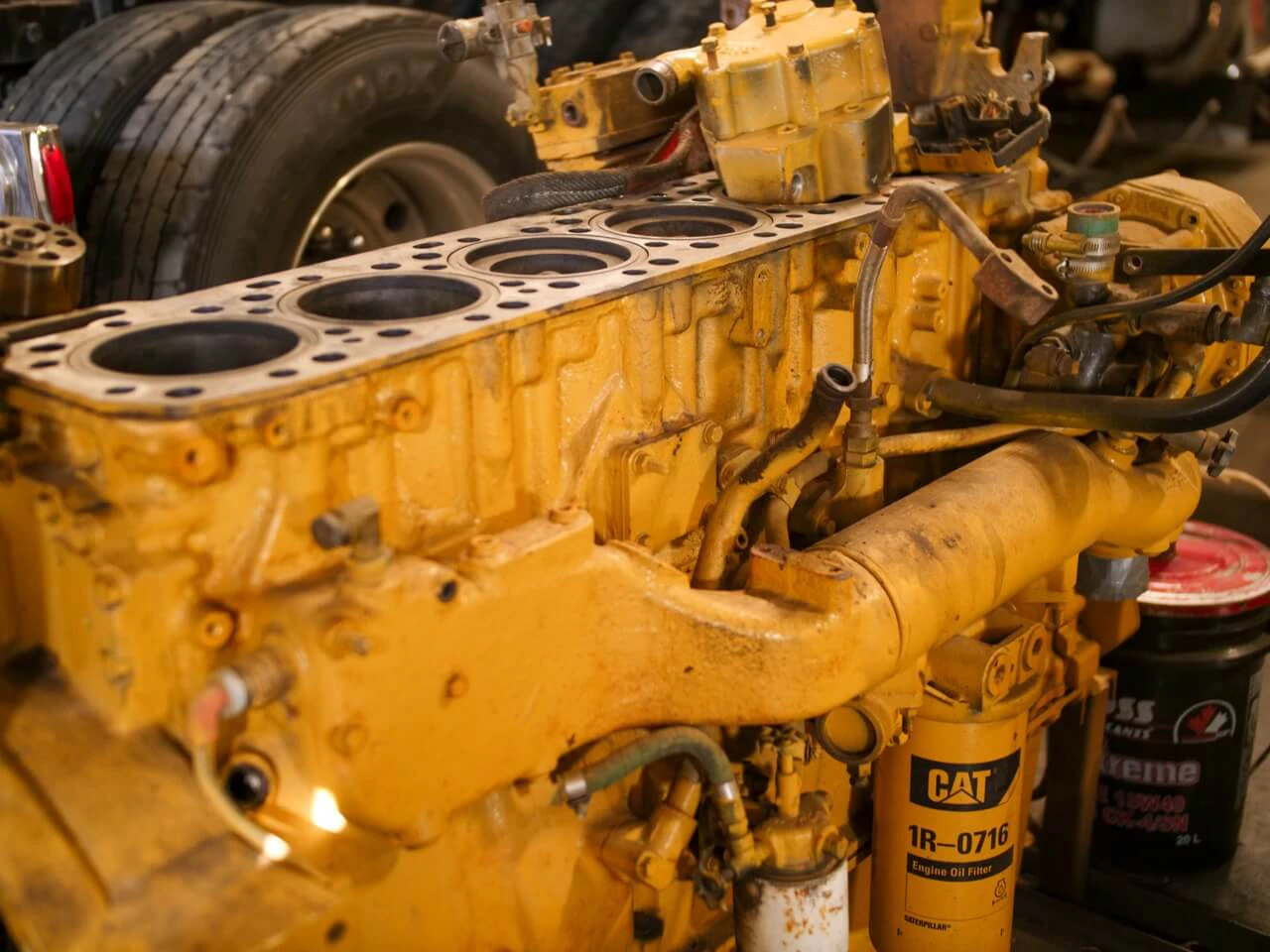
How Heat Is Managed in a Heavy-Duty Diesel Engine
Heavy-duty diesel engines generate immense heat during combustion. This heat is a natural byproduct of compressing air and igniting fuel within the cylinders to produce power. The cooling system is responsible for absorbing, transferring, and dissipating that heat efficiently.
Coolant circulates through the engine block, absorbing thermal energy before flowing into the radiator, where airflow removes the heat. Supporting components such as the water pump, radiator, cooling fan, and fan clutch all work together to regulate temperature. When any part of this system fails or underperforms, heat begins to accumulate rapidly.
Low Coolant Levels
Low coolant levels remain one of the most common causes of engine overheating. Without sufficient coolant, the system cannot absorb and transfer heat effectively.
Coolant loss can occur due to leaks in hoses, radiators, or seals. In colder regions, fluctuating temperatures can accelerate wear on rubber components, increasing the likelihood of leaks.
You may notice warning signs such as:
- Rising temperature gauge readings
- Visible coolant puddles under the truck
- Frequent need to top up coolant
Operating with low coolant reduces heat transfer capacity and puts immediate stress on engine components.
Faulty Water Pump
The water pump is responsible for circulating coolant throughout the engine. When it fails, coolant flow becomes restricted or stops entirely.
A malfunctioning water pump may result from:
- Worn bearings
- Damaged impellers
- Belt failure
Without proper circulation, heat becomes trapped in the engine block, causing temperatures to spike quickly. In many cases, overheating caused by a failed water pump occurs rapidly and without much warning.
Clogged or Damaged Radiator
The radiator relies on clean internal passages and unobstructed airflow to function effectively. Over time, radiators can become clogged with debris, rust, or scale buildup. Externally, dirt, bugs, and road grime can block airflow through the fins.
Common issues include:
- Internal blockage reduces coolant flow
- Bent or damaged fins are limiting heat dissipation
- External debris is restricting airflow
When the radiator cannot release heat efficiently, the coolant returns to the engine still hot, compounding the overheating issue.
Malfunctioning Cooling Fan or Fan Clutch
The cooling fan pulls air through the radiator, especially at low speeds or during idle conditions. The fan clutch controls when the fan engages based on temperature.
If either component fails, airflow becomes insufficient, particularly in stop-and-go traffic or during heavy hauling.
Typical symptoms include:
- Overheating at low speeds but normal temperatures on the highway
- Loud or constantly engaged fan noise
- Lack of airflow through the radiator
Thermostat Failure
The thermostat regulates coolant flow based on engine temperature. When functioning correctly, it opens to allow coolant circulation once the engine reaches operating temperature. If the thermostat becomes stuck closed, coolant cannot flow to the radiator. This causes rapid overheating, as heat remains trapped inside the engine.
Conversely, a thermostat stuck open may not directly cause overheating but can lead to inefficient temperature regulation and long-term engine wear.
Coolant Contamination or Degradation
Coolant does not last indefinitely. Over time, it breaks down and loses its ability to absorb and transfer heat effectively.
Contaminated coolant may contain:
- Rust particles
- Oil or fuel contamination
- Scale buildup
Degraded coolant reduces thermal efficiency and can also clog passages within the cooling system. Regular coolant maintenance is essential to prevent this issue.
Leaking or Damaged Hoses
Coolant hoses transport fluid between key components. These hoses operate under high temperature and pressure conditions, making them susceptible to wear.
Cracks, bulges, or loose connections can lead to coolant leaks. Even small leaks can gradually reduce coolant levels and introduce air into the system, both of which contribute to overheating.
Engine Oil Issues
Engine oil plays a secondary role in cooling by reducing friction and absorbing heat from internal components. When oil levels are low or the oil is degraded, friction increases, generating additional heat.
Poor lubrication leads to:
- Increased internal resistance
- Higher operating temperatures
- Accelerated wear on engine components
In severe cases, overheating caused by oil issues can result in catastrophic engine failure.
Overworking the Engine
Heavy-duty trucks are designed for demanding workloads, but exceeding operational limits can overwhelm the cooling system.
Common scenarios include:
- Hauling excessive loads
- Prolonged idling under heavy demand
- Driving in mountainous terrain or extreme heat
When the engine consistently operates beyond its designed capacity, heat generation surpasses the cooling system’s ability to manage it.
Airflow Restrictions
Proper airflow is essential for heat dissipation. Any obstruction that limits air movement through the radiator will reduce cooling efficiency.
Airflow restrictions can result from:
- Debris buildup on the radiator or grille
- Damaged or misaligned shrouds
- Obstructed intercoolers
Even minor airflow limitations can significantly impact temperature regulation, especially during high-load conditions.
EGR System and Aftertreatment Issues
Modern diesel engines rely on systems like the Exhaust Gas Recirculation (EGR) system to reduce emissions. While effective, these systems can contribute to overheating if they malfunction.
A faulty EGR cooler, for example, may:
- Increase engine temperatures
- Introduce additional heat into the system
- Reduce overall cooling efficiency
Aftertreatment components must function properly to maintain balanced engine temperatures.
Preventing Engine Overheating
Preventive maintenance remains the most effective way to avoid overheating issues. A proactive approach helps identify minor problems before they escalate.
Key practices include:
- Regular coolant checks and flushes
- Inspecting hoses, belts, and clamps
- Cleaning the radiator and ensuring proper airflow
- Monitoring temperature gauges during operation
- Scheduling routine inspections
Need Coolant System Repairs?
Looking for coolant system services in Grande Prairie, AB or Dawson Creek, BC? If you notice signs of overheating or want to ensure your cooling system is functioning properly, contact R&R Diagnostics and Repair for a professional inspection.
News & Articles
Find regular articles covering a wide range of topics related to diesel repair, maintenance, and troubleshooting.

Our Customer Testimonials
"I called in needing an exhaust clamp and gasket replaced. They fit me in immediately and was in/out within 30 min with a very fair bill. They didn't have the parts, but ran out to trp and picked up the required parts for the job. I would definitely recommend."
"Rod was great to deal with. He got me in quickly and fixed my truck in a timely manner. The bill was way les than expected. Thank you guys for doing such a great job! I would definitely recommend R&R to anyone needing repairs."
Unbelievable experience this day and age.Timely, efficient, reasonable.... this repair facility sets the gold standard for service. I cant thank Rod and his team enough for the service they delivered.
Contact R&R Diagnostics
Let us know what is going on with your vehicle, and we will get back to you soon with a quote.
Contact Information
Hours
Locations
Dawson Creek,
BC V1G 0G2, Canada
Grande Prairie,
AB T8X 0L2, Canada