Grinding during a shift is a speed-mismatch event, causing gear teeth to collide and potentially damaging clutch parts and shift mechanisms if frequent. This guide helps operators in Grande Prairie, AB, and Dawson Creek, BC, identify root causes and prevent major failures.
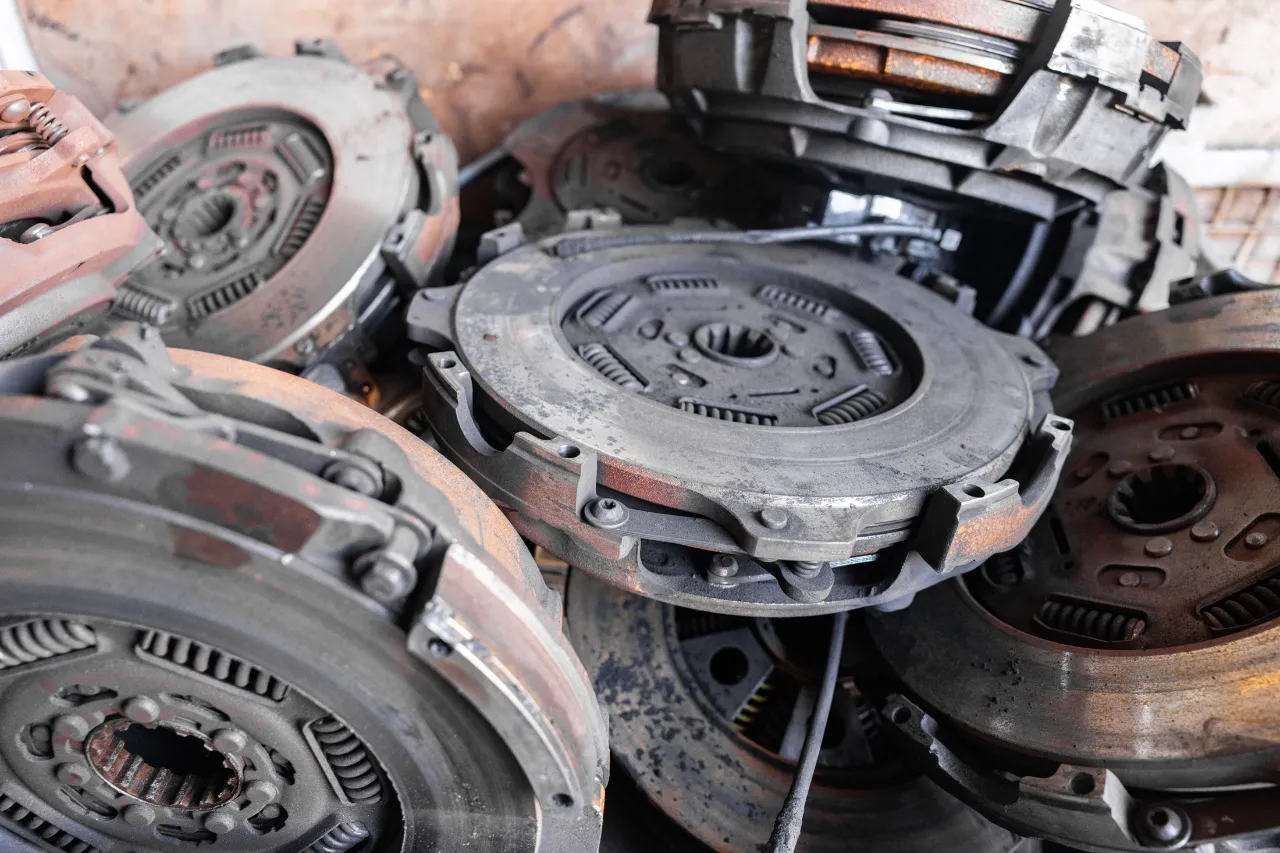
Grinding during a shift is not “just a noise.” In mechanical terms, it is a speed-mismatch event: the gear you are trying to engage and the shaft or collar that must connect to it are turning at different speeds, causing the teeth to collide rather than mesh smoothly. In heavy-duty use, such a collision can quickly damage clutching teeth, synchronizer parts, and shift mechanisms if it becomes a repeated issue rather than an isolated one.
For operators working in and around Grande Prairie, AB, and Dawson Creek, BC, the risk is increased by operational conditions: frequent start-stop cycles, load-induced shifting, winter temperature swings that alter lubricant behavior, and long duty cycles that reveal small adjustment issues before they escalate into major failures.
This guide explains how to identify common root causes—such as clutch release issues, synchronizer wear, and various other conditions—using practical observations and a structured diagnostic approach. The goal is to help you communicate symptoms clearly, prevent avoidable damage, and determine when the truck needs immediate inspection.
What Grinding Indicates In A Manual Or Automated Manual Transmission
A heavy-duty transmission must effectively transfer engine torque through specific gear ratios, which requires the gearset to engage at compatible speeds. When speeds are not compatible, the engagement surfaces grind against each other. In unsynchronized designs, proper driver technique is crucial to match speeds; in synchronized designs, the synchronizer assembly uses friction to align the rotating elements before engagement.
In practical terms, grinding generally involves one of three scenarios:
- The clutch doesn't fully disengage, so the input shaft keeps spinning when you try to shift gears.
- A synchronizer cannot do its job either because its friction surfaces are worn or because its lubrication/friction characteristics are no longer within the design specifications.
- The shift system is not aligning components properly due to linkage problems, internal wear, or a technique that forces engagement well outside the system's acceptable speed range.
Start With The Most Useful Question: When Does It Grind?
Before replacing parts or blaming someone, clearly identify the conditions. Grinding behavior is often linked to the failure component.
Grinding In One Specific Gear
If grinding occurs only in a single gear (for example, second gear), it indicates gear-specific synchronizer or engagement wear in that range. Multi-speed transmissions usually have multiple synchronizer assemblies, and heavily used gears often show symptoms before others.
Grinding Across Several Gears
If multiple gears grind—especially when selecting a starting gear—this pattern is more likely due to clutch-release problems or to an issue that keeps the input shaft spinning. The logic is simple: a clutch that drags affects every gear because it impacts the entire input shaft, not just a single synchronizer.
Grinding Primarily From A Stop (First Or Reverse)
When the truck is stopped, the transmission should engage correctly. In many heavy-duty manual transmissions, a clutch brake is meant to slow or stop the transmission during initial engagement when stationary; if it is worn, misadjusted, or misused, it can cause a gear clash when shifting into low or reverse.
Grinding Mainly When Cold
Cold temperatures increase lubricant viscosity, which can affect shift feel and decrease synchronizer effectiveness until the oil warms and flows more easily. Gear lubricant viscosity ratings consider low- and high-temperature performance, and choosing a product suitable for the temperature range is an important factor in shift quality and component protection.
These patterns do not “diagnose” the issue on their own, but they significantly narrow down the most likely causes.
If It’s The Clutch: How Clutch Drag Creates Grinding
The Mechanical Reason
When you press the clutch pedal, the clutch should disconnect the engine from the transmission, slowing the input shaft. If the clutch does not fully disconnect, residual torque keeps the input shaft spinning. This keeps the gears turning and raises the chance of a clash during engagement, especially when shifting into reverse or starting from a stop.
Symptoms That Align With Clutch Drag
Clutch drag and incomplete disengagement are often seen as:
- Having trouble choosing a gear when stopped, but shifting improves once you start moving.
- Reverse engagement is consistently worse than forward gears.
- A “creep” tendency with the clutch fully depressed (vehicle wants to inch forward).
- A gradual change in pedal feel or engagement point that occurs over time.
- Grinding through multiple gears instead of a single gear.
Common Contributing Causes
Several issues can hinder full disengagement, including mechanical wear in clutch components, misadjustment, and hydraulic or actuation problems. In heavy-duty applications, proper setup and adjustment are repeatedly stressed because technique and adjustment directly influence shift quality and wear rates.
A Practical, Low-Risk Check You Can Report
If safe and appropriate for your situation, an informative observation is whether waiting briefly with the clutch depressed changes the symptom.
- With the truck stopped and the clutch fully depressed, wait a few seconds, then try shifting gears.
- If engagement improves after the pause, it indicates the input shaft is taking time to spin down—consistent with clutch drag or a clutch-brake effectiveness problem when stopped.
This is not a replacement for inspection, but it provides a helpful data point for a technician.
If It’s The Synchros: Recognizing Synchronizer Wear Patterns
What Synchronizers Do
A synchronizer reduces gear clash by using friction to match rotational speeds before engagement. Modern synchronizer designs typically use friction rings and cone interfaces, and the mechanism depends on controlled friction to align components.
Symptoms That Strongly Suggest Synchronizer Wear
Synchronizer wear typically appears as:
- Grinding occurs in a specific gear.
- Notchy engagement that gets better when the shift is slowed slightly.
- Symptoms that intensify when shifting down into the affected gear.
- Progressive onset (gradual worsening), rather than a sudden change.
Why Double-Clutching Sometimes Helps
Driver instructions for heavy-duty transmissions often describe double-clutching as a lever-shift technique, especially in designs that require matching speeds for smooth engagement. When synchronizer capacity is limited, or a transmission is not fully synchronized, double-clutching can reduce the load on the synchronizer by helping match speeds before engagement.
Interpretation rule: if careful double-clutching reduces or eliminates grinding in one gear, it does not “prove” synchronizer failure, but it increases the likelihood that the issue relates to synchronization capacity rather than a clutch dragging in all gears.
“Something Else”: Conditions That Mimic Grinding Or Make It Worse
Grinding is often attributed to internal hard parts, but various external or supporting conditions can also cause similar symptoms or accelerate wear.
Incorrect Or Degraded Lubricant
Manual transmissions generally use gear oil, while automatic transmissions use transmission fluid; the choice of lubricant affects both protection and shifting performance. Viscosity standards specifically address performance at low and high temperatures; selecting the right viscosity grade should match the operating conditions to ensure proper flow and protection in cold weather.
If the lubricant is incorrect, degraded, or insufficient, friction properties and protective film strength can deviate from design expectations, leading to harsher engagement or lower synchronizer performance.
API Service Classifications And Synchronizer Compatibility
Gear lubricants are also classified by service levels, and higher extreme-pressure (EP) protection isn't always “better” for every use. API service designations apply to automotive manual transmissions and axles, and selection should match the component requirements.
In practice, EP additive chemistry can conflict with synchronizer requirements in certain designs. Technical lubrication guidance notes that higher GL ratings typically indicate higher EP performance, which can be advantageous for some gear sets but may cause issues for synchronizers that depend on controlled friction.
If a manufacturer specifies a particular service category, the best practice is to follow that specification rather than assume a higher rating is compatible everywhere.
Misuse Or Failure Of The Clutch Brake (Heavy-Duty Manuals)
Heavy-duty driver guidance typically instructs operators to use the clutch brake for initial gear engagement when stationary, not during upshifts or downshifts. The same guidance states that full clutch pedal depression activates the clutch brake to slow or stop the rotation of gears for engagement at a stop.
If the clutch brake is worn or the clutch is misadjusted so that the brake can't be applied properly, grinding into low or reverse from a stop becomes more likely—even if internal gears are otherwise healthy.
Shift Linkage Or Lever Issues
If the external linkage is worn, misaligned, or loose, it can prevent the shift mechanism from accurately positioning the selector components. Troubleshooting procedures for heavy-duty transmissions include disconnecting the shift system from the transmission to determine whether the problem is in the linkage or inside the unit.
This is an important operational point: a “transmission problem” can start as a linkage issue, and fixing it early can prevent unnecessary internal damage.
Technique And Speed Mismatch Under Load
Clash shifts are closely linked to attempts to engage when components are far out of sync. Technical troubleshooting guides explain that severe clutch-tooth clash can break parts, and the risk of damage rises when engagement is forced outside the synchronization window.
Separate from transmissions, clutch guidance also highlights that shifting before the vehicle reaches the proper speed causes the clutch to absorb the speed difference as heat, which increases wear. While this statement focuses on clutch wear, the fundamental principle applies broadly: forcing speed matching through friction in the wrong component (clutch or synchronizer) accelerates component wear.
A Structured Diagnostic Framework You Can Use And Describe
The goal here is to develop a consistent description that helps a technician diagnose efficiently.
Step 1: Identify The Scope
- Only one gear: more consistent with wear on the synchronizer or engagement in that gear.
- Multiple gears: likely caused by clutch drag, clutch-brake effectiveness issues, lubricant problems, or shift system problems.
Step 2: Compare Stop vs. Rolling Behaviour
- Worst at a stop, especially in low/reverse: consistent with clutch-brake or clutch disengagement issues.
- Worse at speed during downshifts into one gear: consistent with synchronizer capacity issues in that gear.
Step 3: Observe Temperature Sensitivity
- Much worse cold, improves when warm: consistent with viscosity-related shift quality changes or marginal synchronizers whose performance gets better as lubricant flows more easily.
Step 4: Note Any Progression Or Sudden Change
- Gradual deterioration: aligns with wear patterns, such as synchronizer friction loss.
- Sudden onset after service or adjustment: may signal misadjustment, incorrect lubricant, or linkage issue.
This framework does not replace inspection, but it helps prevent two costly errors: continuing to force the shift (which causes secondary damage) and replacing the wrong component first.
What To Avoid To Prevent Escalation
A formal warning is necessary: grinding is not harmless.
- Avoid forcing engagement. Heavy-duty troubleshooting notes that hard-clash shifts can crack metal from clutching teeth; such damage can turn a manageable problem into a need for internal component replacement.
- Do not use the clutch brake during regular shifts. Driver instructions clearly restrict clutch brake use to initial gear engagement when stationary and caution against using it during upshifts or downshifts.
- Do not view lubricant selection as optional. Viscosity classifications are based on operating temperature ranges, and choosing the right viscosity impacts low-temperature flow and protection.
When The Truck Should Be Inspected Immediately
Perform transmission diagnostics immediately if any of the following are present:
- Grinding often occurs across multiple gears, indicating potential problems with the system's input shaft control.
- The truck moves forward very slowly with the clutch fully pressed down (a clear indication that the clutch isn't fully disengaged).
- Engaging in low or reverse from a stop becomes consistently difficult, even with correct technique.
- Symptoms worsen quickly or occur alongside other drivability problems (indicating accelerated wear).
Conclusion
Grinding during shifts indicates that rotating components are not synchronized. When grinding occurs across multiple gears—especially after a stop—clutch drag or clutch-brake effectiveness should be the main focus of evaluation. If grinding is isolated to one gear and lessens with slower shifting or careful technique, it suggests synchronizer wear. Lubricant viscosity and service classification can influence shift quality and synchronizer performance, especially in cold weather, and shift linkage issues can imitate internal faults.
If you experience persistent grinding gears, schedule an inspection with R&R Diagnostics & Repair in Grande Prairie, AB, or Dawson Creek, BC. Providing the “when it grinds” details, as described above, helps speed up diagnosis and reduces the risk of secondary damage.
News & Articles
Find regular articles covering a wide range of topics related to diesel repair, maintenance, and troubleshooting.

Our Customer Testimonials
"I called in needing an exhaust clamp and gasket replaced. They fit me in immediately and was in/out within 30 min with a very fair bill. They didn't have the parts, but ran out to trp and picked up the required parts for the job. I would definitely recommend."
"Rod was great to deal with. He got me in quickly and fixed my truck in a timely manner. The bill was way les than expected. Thank you guys for doing such a great job! I would definitely recommend R&R to anyone needing repairs."
Unbelievable experience this day and age.Timely, efficient, reasonable.... this repair facility sets the gold standard for service. I cant thank Rod and his team enough for the service they delivered.
Contact R&R Diagnostics
Let us know what is going on with your vehicle, and we will get back to you soon with a quote.
Contact Information
Hours
Locations
Dawson Creek,
BC V1G 0G2, Canada
Grande Prairie,
AB T8X 0L2, Canada