Rough oilfield roads, heavy loads, and worn suspension parts can leave Grande Prairie service trucks pulling sideways and wearing tires prematurely. Discover how proper steering, drive axle, and trailer alignment help protect your fleet before winter hauling begins.
An oilfield service truck leaves a Grande Prairie equipment yard, heads down Highway 40, and returns with another few kilometres of punishment on its suspension. Months later, the steer tires are wearing unevenly, and the driver keeps correcting the steering wheel. The culprit may be poor axle tracking, worn suspension components, or incorrect steering geometry. Proper heavy-duty truck alignment helps identify these problems before they shorten tire life or compromise handling.
Why Do Northwestern Alberta Oilfield Trucks Develop Alignment Problems?
Oilfield service trucks rarely spend their entire working lives on smooth pavement. Between Highway 43, Highway 40, and remote access roads serving Montney oil and gas operations, these vehicles encounter gravel, ruts, potholes, and changing payload demands.
Those conditions place repeated stress on steering and suspension components. Although rough roads do not automatically cause misalignment, hard impacts and progressive component wear can gradually change how a truck's wheels track.
Heavy-duty applications face additional challenges because their suspension systems must support substantial loads while controlling road impacts. Winch tractors, equipment haulers, and loaded service trucks can develop problems that a simple front-wheel adjustment cannot correct.
For fleets operating throughout the Peace Region, oilfield truck alignment should be part of a broader maintenance strategy that considers suspension condition, axle position, and tire wear together.
How Does Steering Axle Alignment Affect Tire Wear and Handling?
Your steering axle determines how the front wheels point and respond while the truck travels down the road. Incorrect alignment can cause the tires to scrub against the pavement instead of rolling in their intended direction.
One particularly important measurement is toe, which describes whether the front edges of the steer tires point slightly inward or outward relative to each other. Excessive toe-in or toe-out can produce accelerated tread wear, particularly when trucks regularly travel long highway distances.
Not every heavy-duty axle allows adjustment of every angle. Measurements outside manufacturer specifications may indicate bent components, worn parts, or other mechanical damage.
For trucks transitioning between gravel access roads and Highway 43, maintaining correct steering geometry helps protect commercial tires and support predictable handling.
Why Are Rear Axle Tracking and Suspension Bushings Important?
Here's something fleet operators sometimes overlook: the steering axle isn't necessarily responsible when a truck travels crooked.
A drive axle that sits out of position can create an incorrect thrust angle, meaning the rear wheels push the truck in a direction that does not match its intended centreline. Drivers may compensate with constant steering corrections, even when the front axle measures within specification.
How Does Rear Axle Misalignment Affect Heavy Trucks?
Incorrect truck axle alignment can contribute to uneven drive tire wear, vehicle tracking problems, and unnecessary tire scrubbing.
On multi-axle oilfield trucks, technicians must consider how the drive axles relate to each other and the chassis. Adjusting the front axle alone may leave the underlying tracking problem unresolved.
Can Worn Suspension Bushings Cause Recurring Alignment Problems?
Absolutely. Worn suspension bushings can allow excessive axle movement, particularly when a truck accelerates, brakes, or carries demanding loads.
This movement can change wheel positioning under operating conditions. Even accurate alignment measurements may not provide lasting results if deteriorated bushings or damaged suspension mounts remain in place.
Proper truck suspension and alignment repair in the Peace Region begins with identifying worn components before adjusting axle geometry.
How Does Trailer Axle Alignment Affect Heavy-Haul Operations?
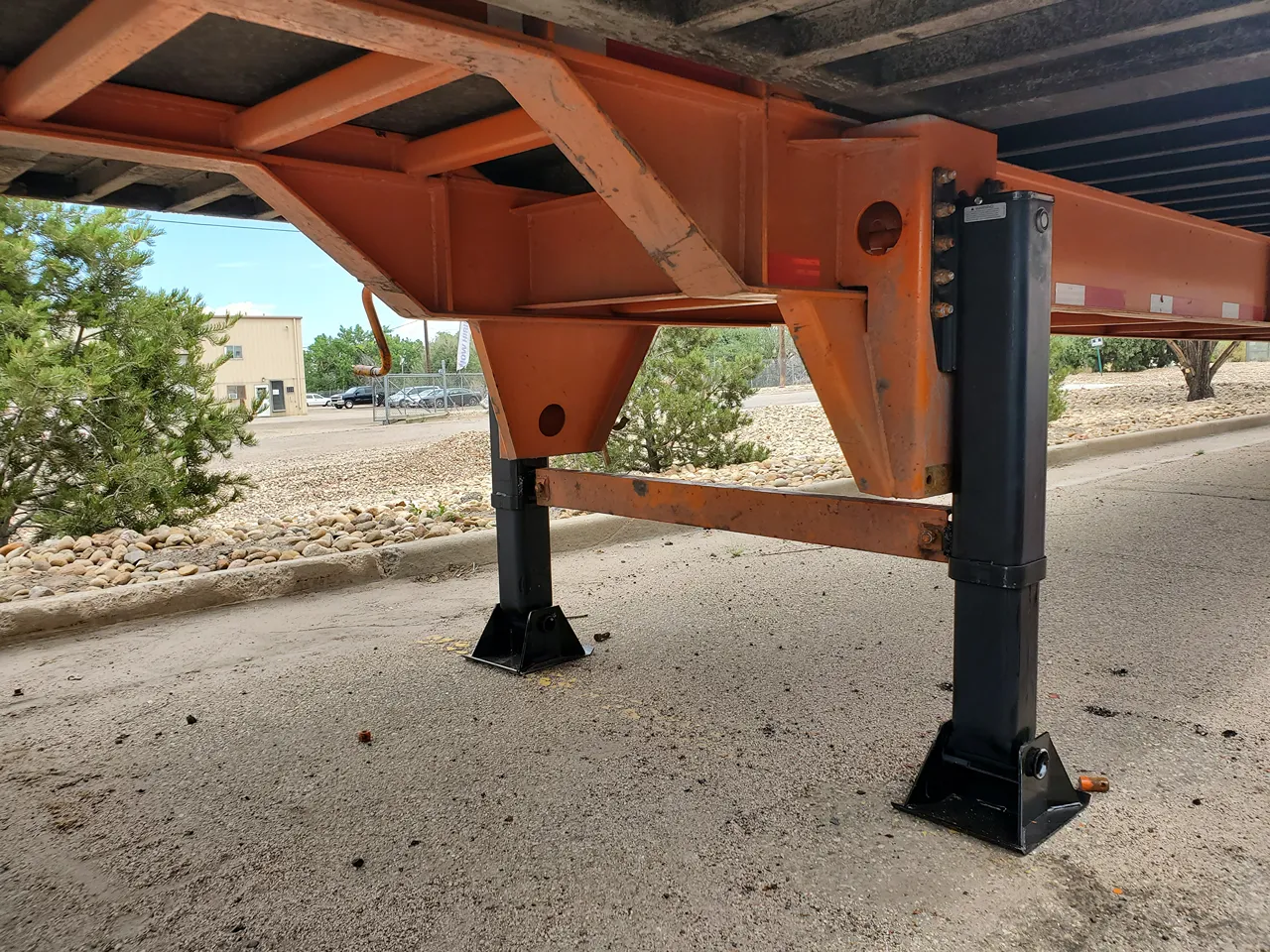
Oilfield flatbeds and equipment trailers often carry substantial loads between industrial yards and remote worksites. When trailer axles do not track correctly, tires can scrub sideways against the road.
This condition may contribute to uneven tire wear and increased rolling resistance. In more noticeable cases, the trailer appears to travel at an angle behind the towing vehicle, sometimes called dog-tracking.
Professional heavy-haul trailer alignment involves checking axle positioning and relevant suspension components, including spring hangers, bushings, and mounting hardware.
For equipment haulers operating around Grande Prairie, trailer alignment deserves attention alongside tractor alignment. Replacing worn tires without correcting an underlying tracking problem can allow the same wear pattern to return.
What Are Five Signs Your Oilfield Truck Needs an Alignment Inspection?
Alignment problems do not always announce themselves through dramatic handling changes. Often, the earliest warning appears during an ordinary tire inspection.
Watch for these five signs:
- Uneven steer tire wear: Feathered tread edges or excessive wear on one shoulder may indicate incorrect toe or another mechanical issue.
- Persistent pulling: A truck consistently drifting to one side on a suitable, level road warrants investigation.
- Off-centre steering wheel: A steering wheel that sits crooked during straight-line travel can indicate a geometry or tracking concern.
- Irregular drive or trailer tire wear: Unusual wear patterns may point toward axle positioning or suspension problems.
- Recurring tire problems: Similar wear patterns returning after tire replacement or suspension work suggest that the underlying cause remains unresolved.
These symptoms do not automatically confirm misalignment. Improper tire inflation, road crown, brake drag, and defective steering components can produce similar complaints.
A thorough commercial truck wheel alignment Grande Prairie assessment should distinguish between alignment errors and other mechanical problems before recommending adjustments.
What Should Technicians Inspect Before Performing Heavy-Duty Alignment?
A lasting alignment starts with mechanical condition, not simply changing adjustment settings.
During a professional inspection, technicians should evaluate tie rods, steering linkages, suspension bushings, axle mounts, and relevant wheel-end components. Loose or damaged parts may prevent consistent measurements and compromise the effectiveness of adjustments.
A practical inspection sequence includes:
- Checking tire pressure, tread condition, and abnormal wear patterns.
- Inspecting steering linkages and suspension components for looseness or damage.
- Measuring steering and drive axle geometry against applicable manufacturer specifications.
- Correcting defective components before final alignment adjustments.
- Confirming tracking measurements and evaluating remaining handling complaints.
For Grande Prairie fleet managers, combining alignment assessments with preventive maintenance for heavy-duty trucks can help identify developing problems before additional tires require replacement.
How Do Alberta Inspection Requirements Relate to Truck Alignment?
Alberta's Commercial Vehicle Inspection Program (CVIP) requires applicable commercial trucks and trailers to undergo periodic inspections. Steering, suspension, axle, wheel, and tire conditions are important aspects of commercial vehicle roadworthiness.
However, a wheel alignment is not automatically a separate mandatory annual CVIP service. Alignment is a maintenance procedure, whereas defective steering or suspension components may affect inspection compliance.
Fleet operators should also follow applicable National Safety Code requirements for vehicle maintenance, trip inspections, and defect reporting.
Addressing worn steering parts before they become serious defects supports both operational reliability and safer vehicle handling.
Why Should Oilfield Fleets Check Alignment Before Winter?
October brings colder mornings to northwestern Alberta, along with muddy access roads and the possibility of early freezing conditions.
Cold weather alone does not change manufacturer alignment specifications. However, existing steering looseness, worn bushings, and poor tracking become particularly concerning when winter road conditions reduce available traction.
A pre-winter commercial truck steering and suspension inspection can help identify problems that developed during summer and autumn hauling.
For trucks travelling between County of Grande Prairie industrial yards and Montney-region worksites, this preventive approach can reduce the likelihood of discovering serious tire wear or handling concerns during demanding winter operations.
Protect Your Oilfield Fleet With Proper Steering and Axle Alignment
Correct alignment is about more than keeping your steering wheel straight. It helps protect expensive commercial tires, supports consistent vehicle tracking, and allows technicians to uncover suspension problems that might otherwise go unnoticed.
If your service truck, winch tractor, or equipment trailer shows uneven tire wear or handling problems, contact our team at R&R Diagnostics and Repair to discuss your heavy-duty truck and trailer alignment needs in Grande Prairie, AB.
FAQs
How often should an oilfield service truck receive an alignment inspection?
Inspection frequency depends on operating conditions, mileage, manufacturer guidance, and suspension condition. Trucks regularly operating on rough oilfield roads may need more frequent assessments, particularly after significant impacts, suspension repairs, or abnormal tire wear.
Can worn suspension bushings cause truck alignment problems?
Yes. Worn suspension bushings can allow axles to move excessively under load, affecting tracking and wheel positioning. Defective bushings should be replaced before final alignment adjustments.
Does uneven tire wear always mean a truck needs alignment?
No. Uneven tire wear can result from incorrect alignment, improper inflation, worn suspension components, brake problems, or other mechanical conditions. A professional inspection helps determine the actual cause.
Is trailer alignment different from steering axle alignment?
Yes. Steering axle alignment focuses on front-wheel geometry, while trailer alignment evaluates axle positioning and tracking relative to the trailer's intended direction of travel. Both can influence tire wear and handling.
Is heavy-duty wheel alignment required for Alberta CVIP inspections?
Wheel alignment is not automatically a separate required CVIP service. However, applicable inspections assess vehicle safety conditions, including steering, suspension, and tires. Defects affecting those components may require repair to meet inspection standards.
News & Articles
Find regular articles covering a wide range of topics related to diesel repair, maintenance, and troubleshooting.

Our Customer Testimonials
"I called in needing an exhaust clamp and gasket replaced. They fit me in immediately and was in/out within 30 min with a very fair bill. They didn't have the parts, but ran out to trp and picked up the required parts for the job. I would definitely recommend."
"Rod was great to deal with. He got me in quickly and fixed my truck in a timely manner. The bill was way les than expected. Thank you guys for doing such a great job! I would definitely recommend R&R to anyone needing repairs."
Unbelievable experience this day and age.Timely, efficient, reasonable.... this repair facility sets the gold standard for service. I cant thank Rod and his team enough for the service they delivered.
Contact R&R Diagnostics
Let us know what is going on with your vehicle, and we will get back to you soon with a quote.
Contact Information
Hours
Locations
Dawson Creek,
BC V1G 0G2, Canada
Grande Prairie,
AB T8X 0L2, Canada